Understanding differences in how people interpret messages, symbols, and values across regions is essential for global brands. It’s not just about translating language - it’s about reshaping campaigns to connect with local emotions and perspectives. Missteps, like Dove’s 2018 controversy, show how ignoring these differences can harm a brand. On the flip side, companies like Coca-Cola, McDonald’s, and Fenty Beauty succeed by tailoring their strategies to fit local contexts while maintaining a consistent global identity.
Key takeaways:
- Localization vs. Cultural Adaptation: Localization adjusts formats (e.g., language, measurements), while cultural adaptation reshapes messaging to align with local values.
- Symbols and Perception: Colors, gestures, and imagery carry different meanings worldwide. For instance, red signifies luck in China but danger in Western cultures.
- Case Studies: Coca-Cola’s personalized campaigns, IKEA’s India-specific products, and Fenty Beauty’s diverse product offerings highlight the value of understanding local markets.
- Trust-Building: Trust varies by region - competence in Germany, relationships in Latin America, and social proof in East Asia.
Global brands thrive by balancing consistent identity with localized execution. This approach builds stronger connections and drives success across diverse markets.
Beyond Translation - Cultural Adaptation in Global Storytelling with Christabel Alio
Cultural Adaptation vs. Localization
It's easy to mix up localization and cultural adaptation, but they serve different purposes. Localization focuses on making content accessible by translating text, adjusting currency formats, and converting measurements. Cultural adaptation, on the other hand, dives deeper. It reshapes messaging and visuals to align with local values, emotions, and perspectives.
Think of it this way: localization ensures the words are correct, while cultural adaptation ensures the message resonates. For instance, a website translated into Spanish might technically be accurate, but without addressing cultural nuances, it risks failing to connect with its audience on a meaningful level.
Here’s a quick comparison to clarify the difference:
| Aspect | Localization | Cultural Adaptation |
|---|---|---|
| Primary Focus | Language translation and accessibility | Meaning, context, and emotional impact |
| Scope | Translating words and basic content | Reimagining messaging, visuals, and symbols |
| Depth | Surface-level adjustments | Deep cultural integration |
| Timing | Applied after campaign creation | Considered from the planning stage |
| Brand Impact | Ensures readability | Builds authentic emotional connections |
Cultural Adaptation: More Than Translation
Translation opens the door, but cultural adaptation builds lasting relationships. It’s about rethinking every detail - storytelling, imagery, and tone - to genuinely connect with local audiences.
Take McDonald’s as an example. In Japan, the brand highlights seasonal offerings like the Sakura menu, while in France, it focuses on premium ingredients and local flavors. These tweaks aren't just about food; they reflect what matters most to customers in each market, strengthening McDonald’s presence globally.
Netflix also takes this approach when promoting comedy series internationally. A U.S. comedy might need more than subtitles for German audiences - it could require rewritten jokes and culturally relevant humor to maintain engagement.
IKEA’s entry into India is another standout example. The company researched local family dynamics and home layouts before launching, which influenced both product design and marketing. By reflecting local living habits and traditions, IKEA created a deeper connection with Indian consumers.
This process, often called transcreation, goes beyond literal translation. It involves rewriting taglines, slogans, and narratives to maintain emotional impact. A catchy phrase in one culture might fall flat - or even confuse - another if cultural nuances aren’t considered.
Brands that embed cultural adaptation into their planning stages see the best results. They don’t treat it as an afterthought; instead, they use it as a chance to innovate and create campaigns that feel authentic to each audience.
How Symbols and Context Shape Perception
Symbols can mean wildly different things depending on the culture. A color, gesture, or image that works in one region might carry an entirely different - or even negative - connotation elsewhere. Getting these details wrong can weaken a campaign or even harm a brand’s reputation.
For instance, red symbolizes luck in China but often signals danger in Western contexts. Similarly, colors associated with celebration in one culture might represent mourning in another. These subtleties are crucial to how audiences perceive brand messages.
Coca-Cola has mastered this balance. During Ramadan, the brand redesigned its Middle Eastern packaging to feature Arabic calligraphy, while its “Share a Coke” campaign in India included bottles with common local names. These thoughtful adjustments helped Coca-Cola build stronger emotional connections in both markets.
In Southeast Asia, Coca-Cola’s campaigns have also embraced local holidays and traditions, aligning their messaging with cultural milestones. This approach deepens emotional resonance, making the brand feel more in tune with its audience.
Trust-building strategies also vary across cultures. In Germany, trust often stems from reliability and competence. In Latin American countries, it’s built through personal relationships and emotional warmth. In East Asia, social proof and collective endorsements tend to carry the most weight. The same product might require entirely different trust-building tactics depending on the region.
KFC is another great example of adapting to local preferences. By tailoring its menu to reflect regional tastes and dietary restrictions, KFC creates a more personal connection with its customers. This strategy has allowed the brand to thrive in a wide variety of markets.
Ultimately, the most successful brands don’t just localize - they adapt. They use cultural cues as strategic tools, ensuring their campaigns reflect local priorities, visual preferences, and symbolic meanings. This thoughtful approach sets global leaders apart, enabling them to truly connect with diverse audiences around the world.
How Global Brands Navigate Cultural Differences
The most successful global brands don’t just translate their campaigns - they rethink them entirely for each market. This involves tailoring everything from visual design to the tone of messaging so that campaigns resonate with local audiences while staying true to the brand’s identity. Local cultural norms and values play a huge role in determining a campaign’s success. Looking at some leading brands gives us a clear picture of how this approach works in practice.
Case Study: Coca-Cola's Regional Campaigns
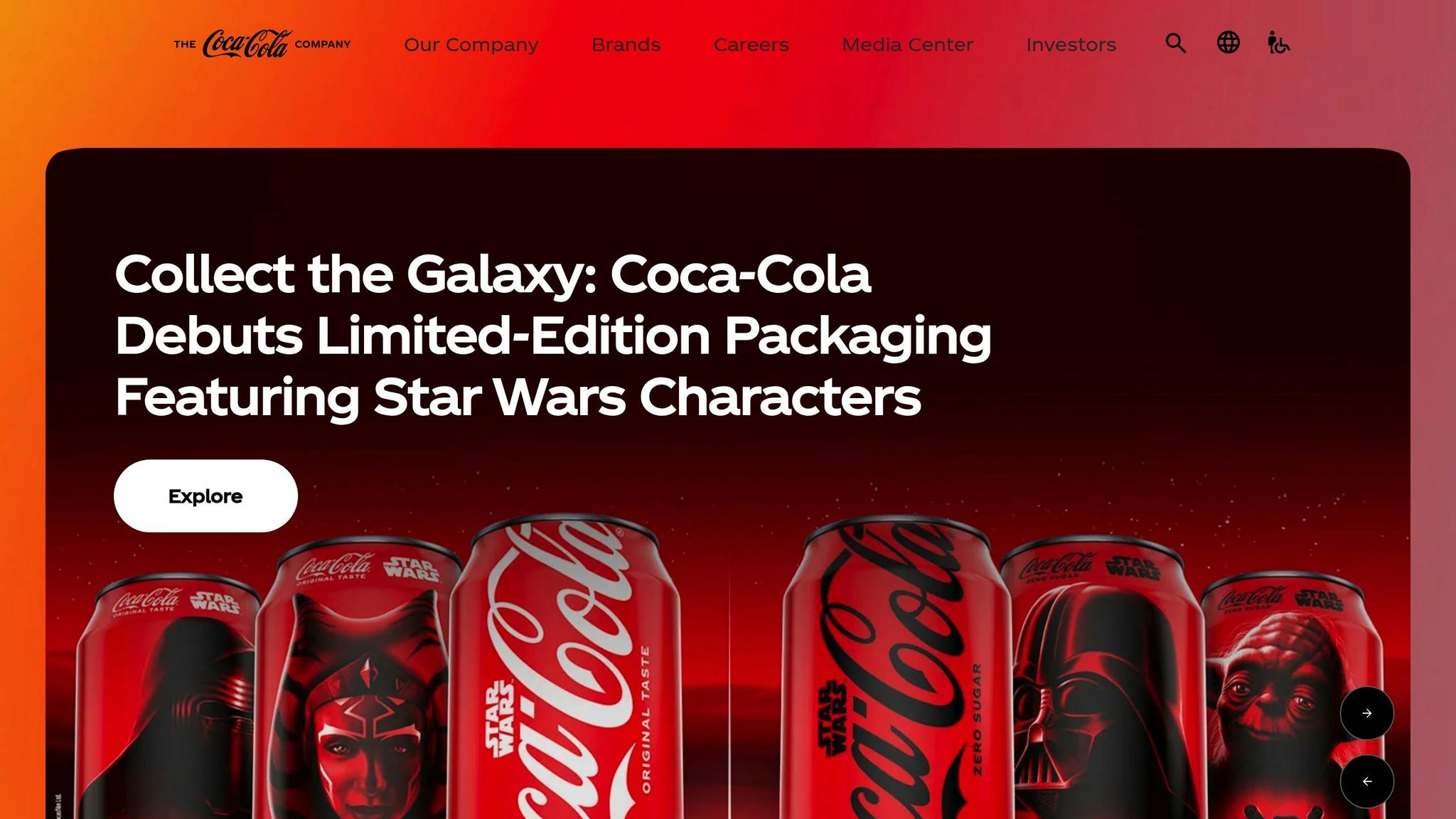
Coca-Cola is a great example of combining global consistency with local relevance. Their "Share a Coke" campaign is a standout. By featuring personalized bottles with popular regional names, Coca-Cola created a personal connection with consumers across different markets. For Chinese New Year, the brand takes it a step further by incorporating red and gold - colors that symbolize prosperity and good fortune in Chinese culture - into their visuals and messaging. This attention to cultural details has helped Coca-Cola maintain its universal appeal while building strong local connections.
Case Study: IKEA's India Market Entry
When IKEA entered the Indian market, it wasn’t business as usual. They knew they had to adapt to meet the unique needs of Indian consumers. To do this, IKEA studied local furniture preferences, space constraints in Indian homes, and consumer purchasing behaviors. As a result, they adjusted their product offerings to better suit multi-generational households and smaller living spaces. Their marketing also emphasized family values and aesthetics that resonate locally. Beyond products, IKEA made operational changes - sourcing materials locally, setting competitive prices, and tailoring delivery and assembly services to meet Indian standards. These adaptations showed a deep understanding of the market, which played a key role in their success.
Lessons from Fenty Beauty's Global Rollout

Fenty Beauty’s global expansion is a masterclass in addressing diverse beauty standards while maintaining a cohesive brand identity. The company recognized that beauty ideals differ widely across cultures and demographics, so they prioritized offering products that cater to a broad range of needs. This approach earned them credibility, especially among consumers who had been overlooked by other brands. Fenty Beauty also conducted in-depth market research to grasp regional beauty standards and consumer habits. Their campaigns celebrated local beauty traditions while staying true to the brand’s focus on inclusivity and self-expression. By involving local experts and treating cultural sensitivity as a core strategy, Fenty Beauty built trust and expanded its market share.
These examples make it clear: understanding local cultures and tailoring campaigns accordingly can drive success while keeping a brand’s identity intact.
sbb-itb-01010c0
Core Elements of Cultural Adaptation
Creating media strategies that resonate across cultures goes beyond simply translating text into another language. Successful campaigns weave cultural understanding into every step - from picking the right platforms to designing visuals that connect with local audiences. For businesses venturing into new markets, focusing on key elements like channel selection, visual strategy, and storytelling is essential. Let’s explore how these aspects come together to create campaigns that feel authentic and meaningful.
Platform and Channel Selection
The platforms people use differ greatly depending on the region, making channel selection a critical decision. In Western markets, platforms like Instagram, Facebook, and YouTube dominate, emphasizing visual storytelling. Meanwhile, in East Asian markets, platforms such as WeChat, TikTok, and Line play a central role in connecting with audiences.
Each platform also caters to different content preferences - short, snappy videos thrive on TikTok, while YouTube is better suited for longer, in-depth narratives. To choose the right channels, businesses need to conduct thorough market research, taking into account factors like how people network professionally and their preferred ways of communicating. It’s equally important to assess mobile and internet usage trends in each market. Beyond selecting the right platform, campaigns must use visuals that convey trust and resonate across cultural boundaries.
Visual Representation and Credibility
Colors, symbols, and imagery carry unique cultural significance, and their impact on a campaign’s success cannot be overstated. Effective brands tailor their visuals to align with local cultural meanings. For instance, McDonald’s adapts its visuals to reflect local tastes and traditions. In Japan, the Sakura menu features designs inspired by cherry blossoms, while in France, campaigns focus on premium ingredients and regional flavors. Similarly, Coca-Cola adjusts its advertising to fit cultural contexts, such as incorporating Arabic calligraphy into its packaging during Ramadan in the Middle East.
For business-focused campaigns, visual credibility involves using images that genuinely reflect local work environments and practices. Collaborating with local experts helps ensure visuals build trust and align with cultural expectations. This attention to detail in visual strategy strengthens the broader cultural adaptation framework.
Local Narratives and Emotional Storytelling
Storytelling rooted in local traditions and values is a powerful way to connect on an emotional level. When brands incorporate local stories and cultural elements into their campaigns, they show respect for their audience’s identity, fostering deeper engagement. However, authenticity is key - a joke that lands well in one culture may offend in another. Adapting humor and cultural references ensures relatability while maintaining cultural sensitivity.
Fenty Beauty offers a great example of this approach. While keeping its core message, “Beauty for All,” the brand tailored its campaigns to reflect regional beauty standards. In West Africa, Fenty highlighted undertone-specific shades and collaborated with local influencers to showcase application techniques for darker skin tones. In East Asia, the focus shifted to product texture and finish, aligning with local consumer preferences.
For business audiences, local narratives might spotlight how a product or service addresses specific regional challenges or share success stories that align with local values. Trust-building varies across cultures - some prioritize proven reliability and competence, while others place greater emphasis on personal relationships and community endorsements.
Using local idioms and narratives adds depth to emotional connections. This requires a deep understanding of cultural nuances, often achieved through collaboration with local experts who understand the language, traditions, and social dynamics of the target audience. By blending these localized elements with a consistent brand voice, businesses can honor local differences while reinforcing their global identity. Rather than seeing cultural adaptation as a limitation, leading brands treat it as a creative opportunity to build authentic connections with diverse audiences.
Balancing Global Consistency with Local Flexibility
Leading global brands have mastered the art of blending consistency with adaptability. Core elements like brand values, visual identity, and key messaging remain uniform across markets, ensuring a recognizable global presence. Whether a customer interacts with the brand in Chicago or Chennai, these elements provide a cohesive experience. At the same time, execution details - such as tone, humor, cultural references, and visuals - are tailored to resonate with local audiences. Brands like Coca-Cola and IKEA demonstrate how a unified identity, enriched with local nuances, can drive success. This approach creates a foundation for modular campaign frameworks that allow for both global cohesion and local relevance.
Modular Campaign Frameworks
A modular campaign framework works like a flexible blueprint: it separates the core identity from market-specific elements, allowing brands to scale globally while maintaining local authenticity. Think of it as building blocks - while the foundation stays the same, the arrangement can shift to suit local needs.
This method thrives on clear boundaries. Regional teams know exactly what they can adapt and what must remain consistent, avoiding the pitfalls of over-standardization (which risks alienating local audiences) or excessive fragmentation (which weakens the brand's identity). A modular framework ensures that global messaging remains intact while execution aligns with local tastes and cultural norms.
For example, Coca-Cola’s regional packaging illustrates this concept in action, keeping its core branding intact while incorporating local cultural elements.
To make such a system effective, brands need a centralized content hub. This hub houses essential assets like campaign materials, messaging guidelines, and brand standards. Regional teams can then adapt these within clearly defined parameters. The process starts with setting global objectives, followed by tailoring the execution for local audiences. Detailed cultural guidelines - covering aspects like color symbolism, communication styles, and local customs - provide a roadmap for these adaptations, while approval workflows ensure speed without compromising cultural accuracy.
Equally important is organizational alignment. Training programs help regional teams understand both the global strategy and the reasoning behind local adaptations. This clarity minimizes confusion and enables quicker decision-making when teams face new cultural trends or challenges.
Real-Time Feedback and Trend Monitoring
Launching a modular campaign is just the beginning. To stay relevant, brands must continuously monitor cultural signals and adapt their strategies based on real-world feedback. Cultural preferences evolve quickly - what worked last year might not resonate today.
Successful brands set up systems to track both campaign performance and the "cultural temperature" of their audiences in real time. This involves monitoring local news, entertainment, consumer activism, and social media conversations to stay attuned to shifting trends. By treating cultural changes as opportunities for creative evolution, rather than disruptions, brands can seize timely opportunities or pivot away from messaging that misses the mark.
Data collection plays a key role here. Brands gather insights through social media metrics, customer surveys, focus groups, and sales data. This helps identify which adaptations are connecting with audiences and which need refinement. For instance, during events like Chinese New Year, brands can integrate relevant colors and themes into their campaigns, while tracking engagement to see what resonates most.
Metrics provide valuable insights. Engagement rates (likes, comments, shares) reveal how well content performs across regions. Conversion rates and sales lift measure business impact, while brand sentiment analysis gauges audience perception. Comparing reach and impressions against media spend highlights efficiency, and customer acquisition costs by region show return on investment.
Qualitative data is equally crucial. Feedback from focus groups, brand perception surveys, and social listening reveals emotional resonance and authenticity. Comparative analysis across regions uncovers which adaptations succeed and which need adjustment. For example, if a campaign achieves 8% engagement in one market but only 2% in another, it signals that the local execution may need tweaking.
Warning signs - like negative social media sentiment, declining engagement, or complaints about cultural insensitivity - demand immediate action. A misstep, such as Dove’s 2018 ad controversy involving perceived racial insensitivity, shows how quickly a cultural error can harm a brand’s reputation.
To avoid such pitfalls, brands should implement pre-launch review processes. This includes consulting local cultural experts, testing campaigns with focus groups, and setting up rapid-response protocols for addressing concerns. Establishing feedback channels for local teams and communities ensures that issues are flagged early, protecting the brand’s reputation while demonstrating respect for local cultures.
Speed and thoroughness must go hand in hand. Streamlined approval processes help brands act quickly without sacrificing quality. Pre-developed cultural guidelines and tiered approval systems allow minor adaptations - like translations or color changes - to be approved regionally, while more significant changes require central oversight. Training regional teams to make culturally informed decisions independently reduces bottlenecks, while centralized platforms for assets and guidelines further accelerate workflows.
The most successful brands see this balance as an ongoing effort. They invest in infrastructure that supports continuous adaptation, recognizing that cultural contexts and audience expectations are always shifting. By embedding cultural insights into the very foundation of their campaigns - before even considering language or visuals - these brands remain relevant and resilient across markets.
Conclusion: Lessons for B2B Professionals
Adapting global strategies to fit local markets isn't just a consumer-focused approach - it’s a cornerstone of success for B2B professionals as well. When operating across borders, the biggest challenge often lies in building trust and credibility in markets where every business decision is influenced by cultural nuances. This ability to adapt is just as crucial in the B2B world as it is in consumer markets.
Why Cultural Sensitivity Matters
B2B companies that prioritize cultural awareness can achieve stronger emotional connections and increase their market share. Entering a new market with strategies tailored to its cultural dynamics positions your company as a thoughtful and knowledgeable partner, not a foreign entity imposing unfamiliar practices. This approach sets you apart, especially when competitors fail to recognize or respect local values, leaving them unable to connect effectively with their target audience.
Trust-Building Strategies Across Cultures
Trust doesn’t look the same everywhere - it varies significantly by culture. For example:
- Germanic markets place a high value on competence and expertise.
- Latin markets prioritize personal relationships and rapport.
- East Asian markets focus on social proof and collective trust.
Even if your product remains unchanged, the way you communicate its value, establish credibility, and nurture partnerships must adapt to fit the expectations of each market. It’s not about altering the product itself - it’s about how you present it.
How to Adapt Effectively
To succeed, start with in-depth market research. Use tools like focus groups, surveys, and cultural immersion to understand the preferences and needs of each region. Collaborate with local experts to craft campaign frameworks that preserve your core brand message while tailoring supporting elements to resonate with local audiences.
Continuous feedback is also essential. Set up systems to gather insights from local markets, track cultural trends, and adjust your campaigns as needed. Regular communication with local sales teams and customer advisory boards ensures your strategies remain relevant and well-received.
The Competitive Edge of Cultural Adaptation
Examples from global brands like Coca-Cola and Fenty Beauty show that respecting and adapting to local cultures leads to tangible benefits. While many competitors stick to standardized approaches that alienate local audiences, companies that embrace cultural differences can build trust more effectively and stand out in crowded markets.
For B2B professionals, success lies in combining global reach with local relevance. Demonstrating respect for your customers’ unique contexts not only strengthens relationships but also establishes your credibility. In markets where trust is the foundation of success, cultural adaptation isn’t just a strategy - it’s a necessity.
At The B2B Ecosystem (https://b2becosystem.com), we understand that blending global ambition with local insight is the key to long-term growth.
FAQs
How can global brands stay true to their identity while adapting to different cultural markets?
Global brands can strike the right balance between consistency and adapting to local markets by focusing on a few essential strategies. First, they need to define core brand values that are universal. These values serve as the foundation, ensuring the brand's identity stays clear and consistent no matter where it's represented.
At the same time, it's critical to adjust messaging, visuals, and campaigns to align with local traditions, preferences, and cultural nuances. This means investing in local market research to get a deep understanding of audience behaviors, language, and sensitivities. Working closely with local teams or partners can also ensure that campaigns feel genuine and resonate with the community. By blending a strong global identity with thoughtful local adaptation, brands can connect with diverse audiences while maintaining a unified presence across the world.
What challenges do brands face when they don’t tailor their messaging to local cultures?
When brands overlook the importance of tailoring their messaging to local nuances, they run the risk of alienating their audience or sending the wrong message entirely. A few common missteps include using direct translations that lose the intended meaning, employing imagery or symbols that might have unintended connotations, or ignoring local customs and preferences in their campaigns.
To steer clear of these mistakes, brands should prioritize in-depth research into the local culture, work closely with regional experts, and test their messaging with the target audience. This approach helps ensure that their communication feels genuine and connects effectively with diverse groups.
Why is cultural adaptation more effective than basic localization in global marketing?
Cultural adaptation takes things a step further than just translation or localization. It’s about shaping content and messaging to reflect the values, traditions, and preferences of a specific audience. This approach helps brands form stronger emotional bonds and build trust, making their campaigns feel more personal and relatable.
On the other hand, basic localization typically sticks to surface-level tweaks - like changing the language or currency - which might not fully connect with the deeper cultural context. By paying attention to cultural nuances, global brands can create more meaningful interactions and stay relevant in international markets.